October 13, 2026, 9:13 pm

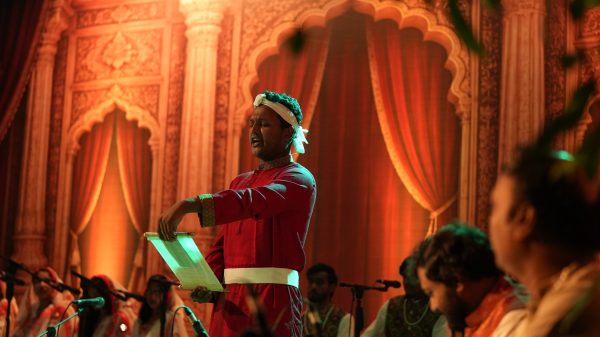
A Hangsadhwani production blends Hindustani and Carnatic traditions with Persian, Chinese and Western music, using theatre to explore the diversity of musical expression.
DHAKA, October 13, 2026 — What happens when the solemnity of Dhrupad, the improvisational expansiveness of Khayal, the emotional nuances of Thumri, the devotional character of Bhajan and the dramatic power of Western opera converge within a single theatrical framework? At Chhayanaut Milanayatan in Dhaka, the production Sur Sammilan sought to answer that question through an ambitious fusion of music, acting and narrative.
Staged on October 6 under the banner of cultural organisation Hangsadhwani, the approximately 90-minute production brought together musical traditions from the Indian subcontinent, Persia, China and the West. Rather than presenting them as a conventional sequence of standalone performances, the production placed diverse vocal traditions within a theatrical narrative, offering audiences a different way to encounter classical music.
Conceived and directed by musician Saiful Taankar, with theatrical direction by Ratan Majumdar, Sur Sammilan explored how music can function not merely as a performance art but also as a dramatic language—one capable of communicating cultural memory, artistic identity and the connections between seemingly distinct traditions.
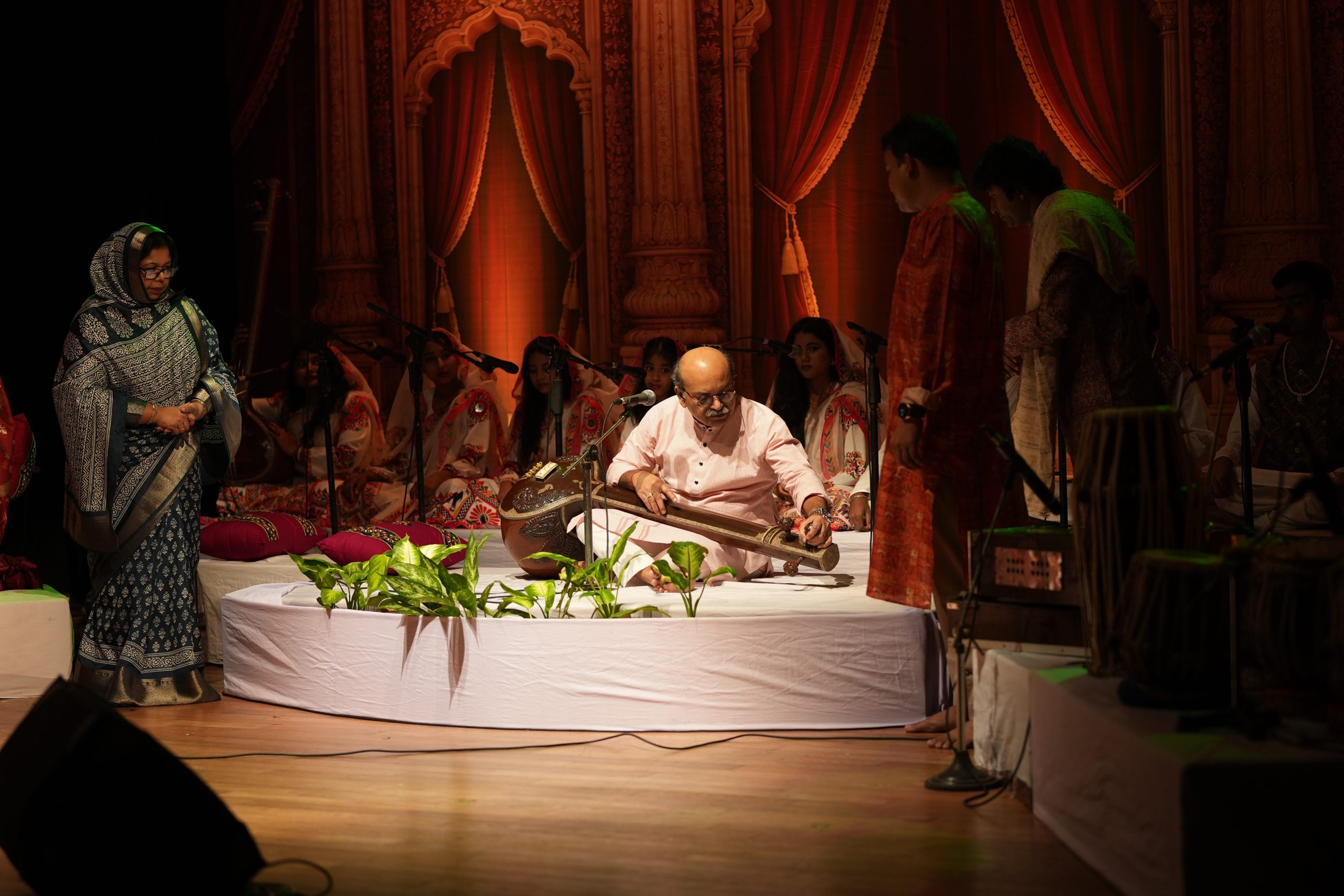
The evening opened with an invocation to the fundamental musical note Sa. Classical music maestro Pandit Asit De initiated the ceremony through the tuning of a tanpura and a collective practice of the note, establishing an atmosphere rooted in listening, discipline and musical contemplation.
The opening was more than a ceremonial gesture. By bringing the audience into a shared experience of the foundational note, the production established a connection between musical practice and collective participation.
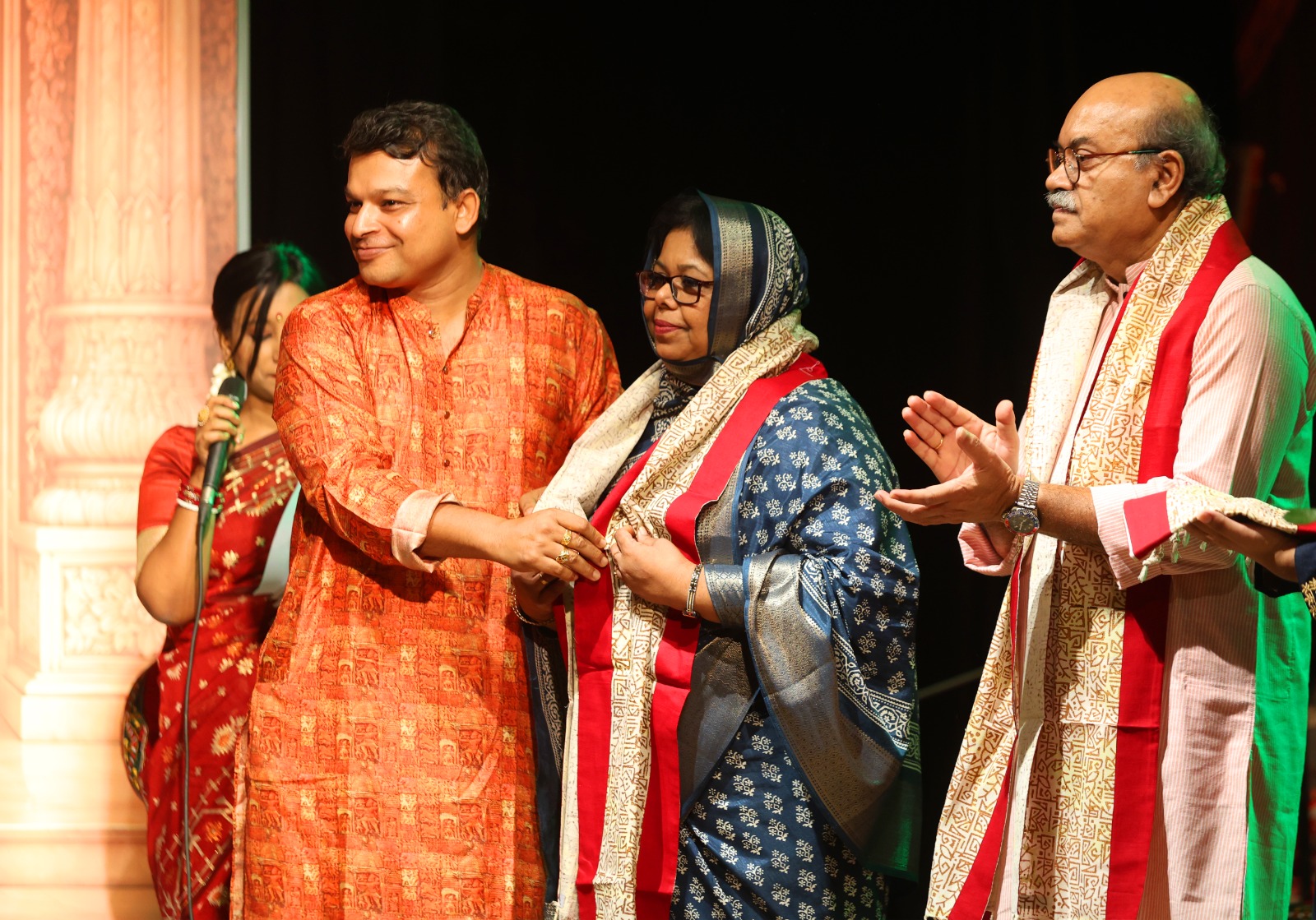
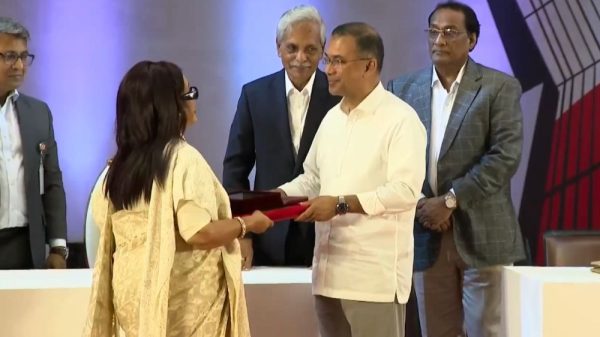
The programme was attended by Nadia Soma Samad, principal of Government Music College, as special guest. Ripon Kumar Biswas presided over the event, which was conducted by Laboni Saha, assistant professor in the Bengali Department of Government Music College.
The principal musical programme began with a group presentation of Dhrupad, one of the oldest surviving traditions of Hindustani classical vocal music, known for its meditative character, disciplined development and emphasis on tonal purity.
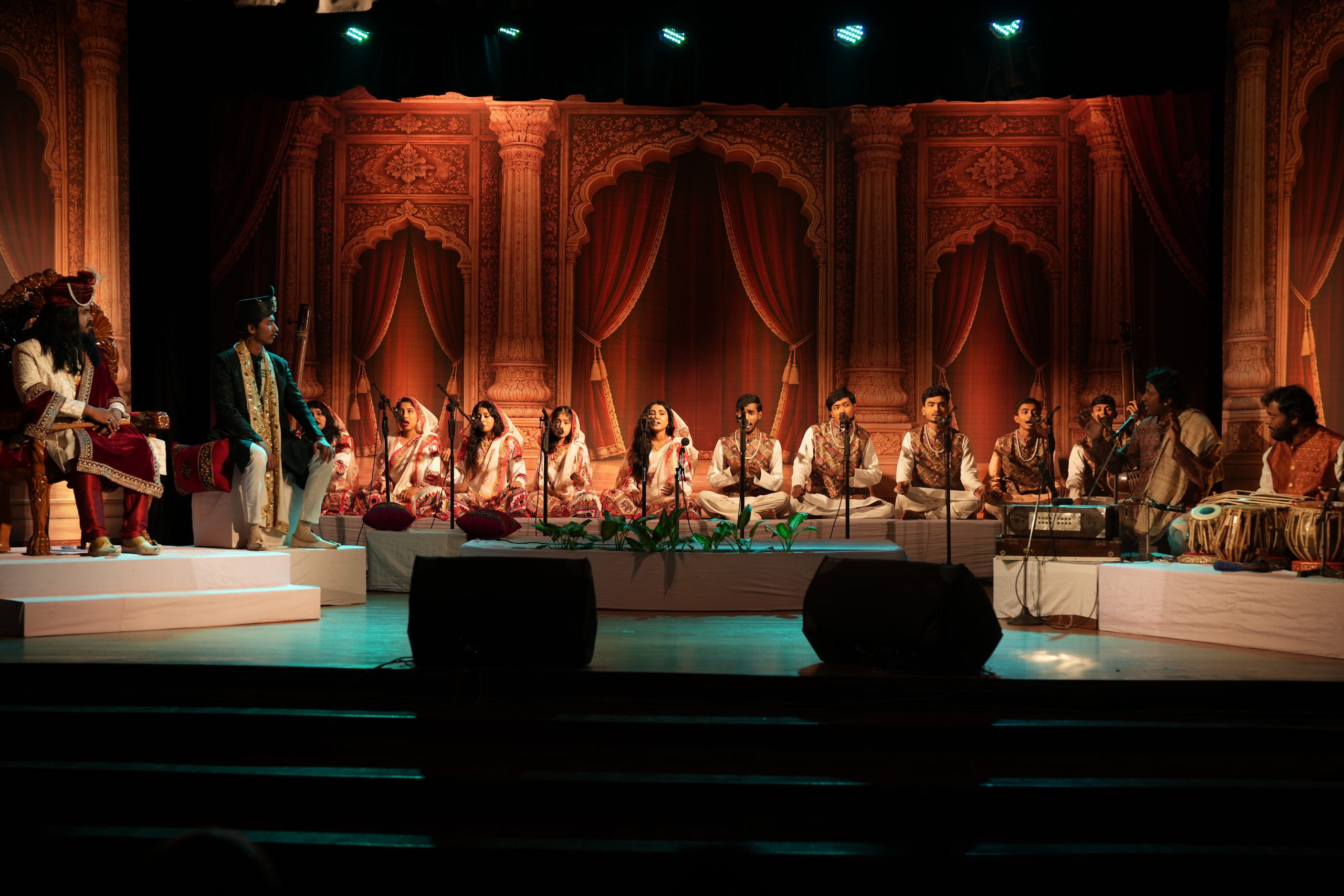
The ensemble featured Arani Chowdhury, Sanjukta, Sonal Sinha, Pratima Rani Natta, Om Auvro Chowdhury, Imran Sarker, Abhijit Barman, Amit Karmaker, Iman Khan and Kobita Moni.
The performance was followed by a solo Khayal presentation in Raga Bhupali by Arya Shrestha Ghosh. Khayal, with its scope for melodic improvisation and individual interpretation, offered a contrasting perspective on the expressive possibilities of Hindustani music.
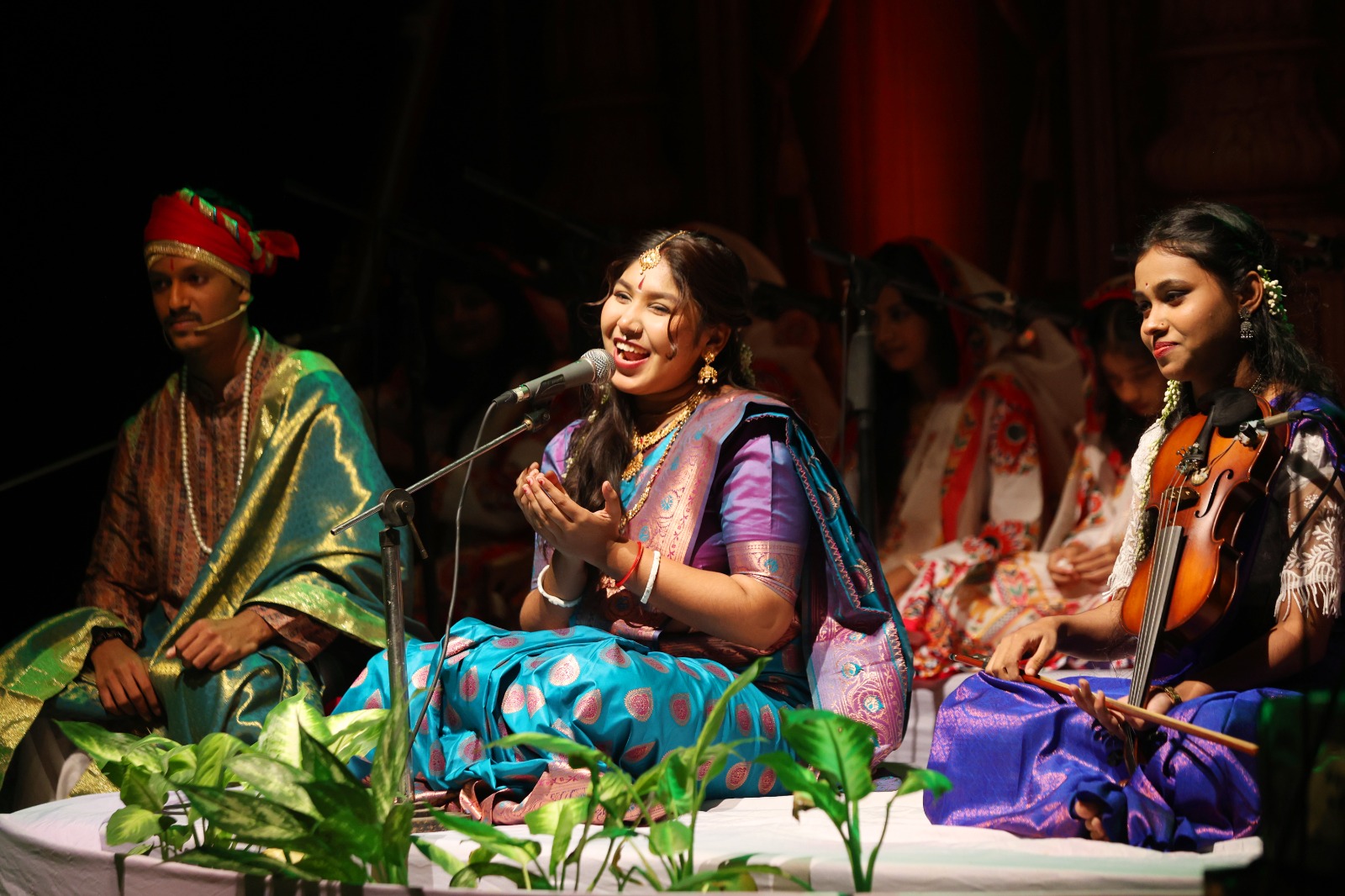
Tulshi Devi presented Carnatic classical music, introducing the audience to the distinctive melodic and rhythmic vocabulary of South India’s classical tradition. Sudip Dutta Ahon performed Khayal and Tarana in Raga Malkauns, while Rathin Tikader presented Khayal in Raga Bairagi.
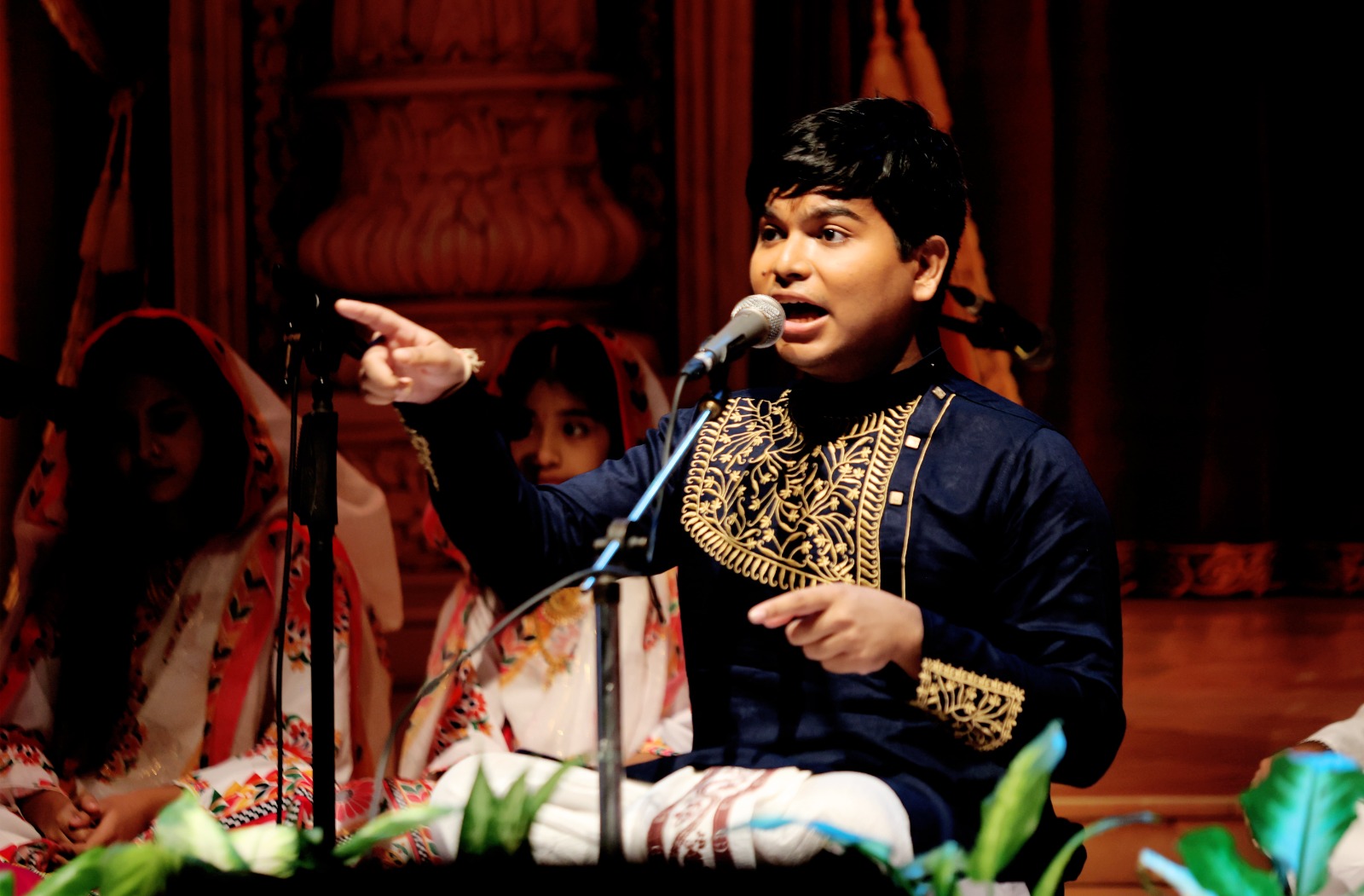
Together, these performances illustrated the diversity within the Indian classical music landscape, moving between established forms, individual improvisation and contrasting approaches to melodic expression.
One of the production’s defining features was its engagement with musical cultures beyond the Indian subcontinent.
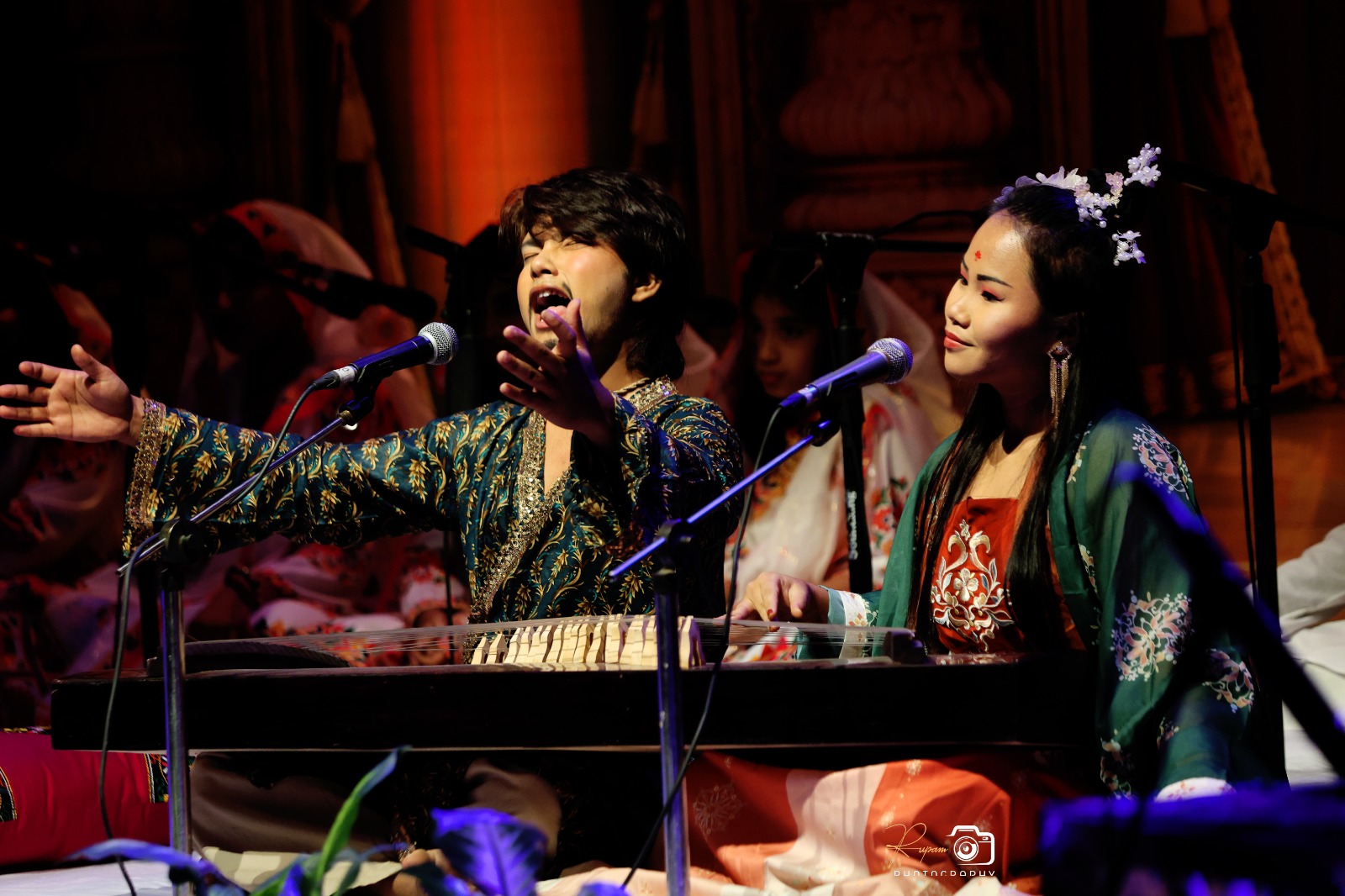
A Chinese classical music duet by Oikko Jeet and Aruna was followed by a Persian classical music presentation featuring Farzana Meghla, Kobita Moni and Rodoshi.
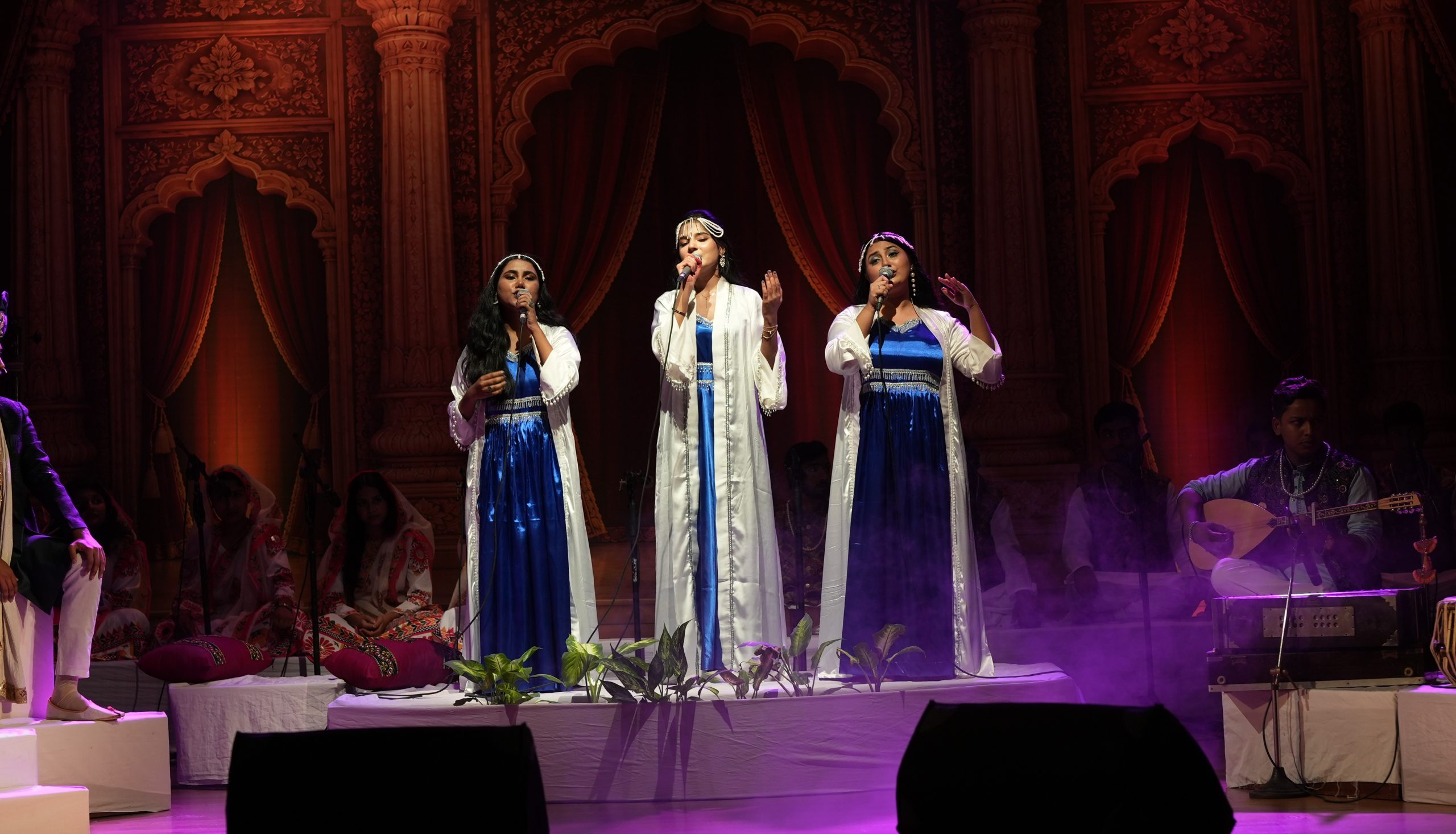
Their inclusion expanded the programme’s cultural scope, placing traditions shaped by different historical experiences and aesthetic principles within a shared performance space. The juxtaposition invited audiences to consider not only the differences between musical systems but also the many ways in which music can express identity, emotion and cultural continuity.
The production’s international dimension lay in this encounter between traditions rather than in any suggestion that their musical structures were interchangeable. Each appeared as a distinct artistic language within the broader narrative.
The programme also explored the relationship between musical form and emotional expression through Thumri, Bhajan and Western opera.
Pranami Poddar performed Thumri, a semi-classical vocal form associated with expressive ornamentation and the interpretation of romantic and devotional themes. Priyanti Poddar presented Bhajan, bringing a devotional dimension to the evening, while Jemima Tahsin Ratri performed Western opera, introducing a contrasting vocal tradition shaped by its own theatrical and musical conventions.
The three forms offered different approaches to storytelling through the voice. Their presence alongside Dhrupad, Khayal and other classical traditions reinforced the production’s central premise: music can communicate through multiple aesthetic frameworks, each with its own relationship to melody, text, emotion and performance.
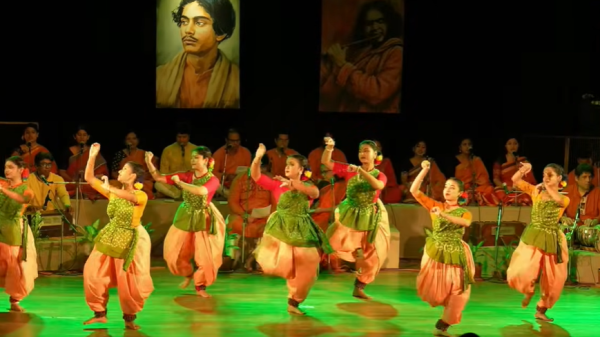
Beyond its musical range, Sur Sammilan distinguished itself through its use of theatrical characters and dramatic situations to frame the performances.
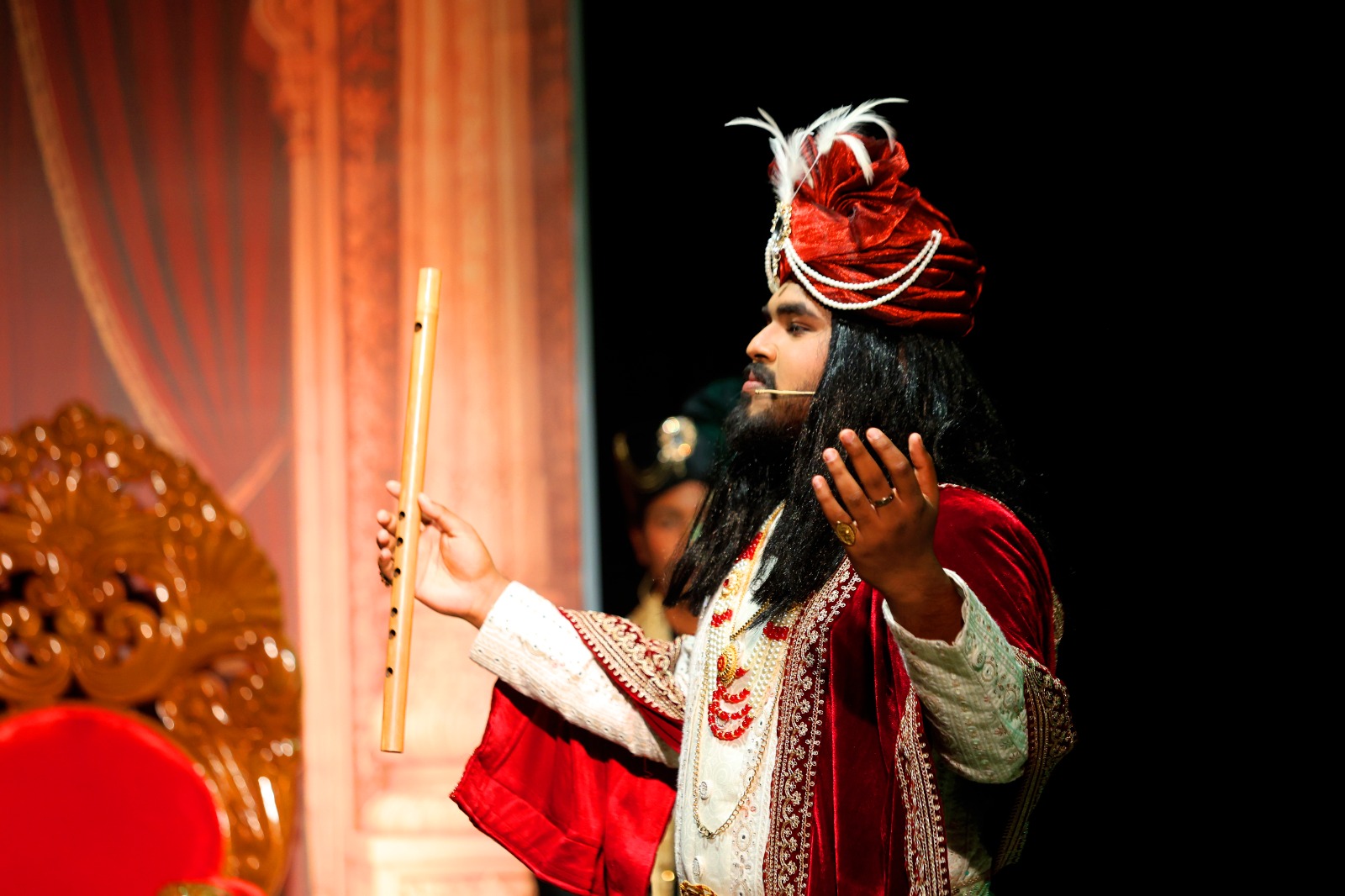
The cast included Aurko Sarker as the Maharaja, Bitta Som as the Chief Minister, Humayun Ahmed Rahat as the Minister of Music, Charlie as the Tantric, Rathin Tikader as the Royal Scholar, Anirban Halder as the Royal Astrologer and Sifat Pradhan as the announcer. Takbir Khan and Ankita Majumdar also appeared in the production.
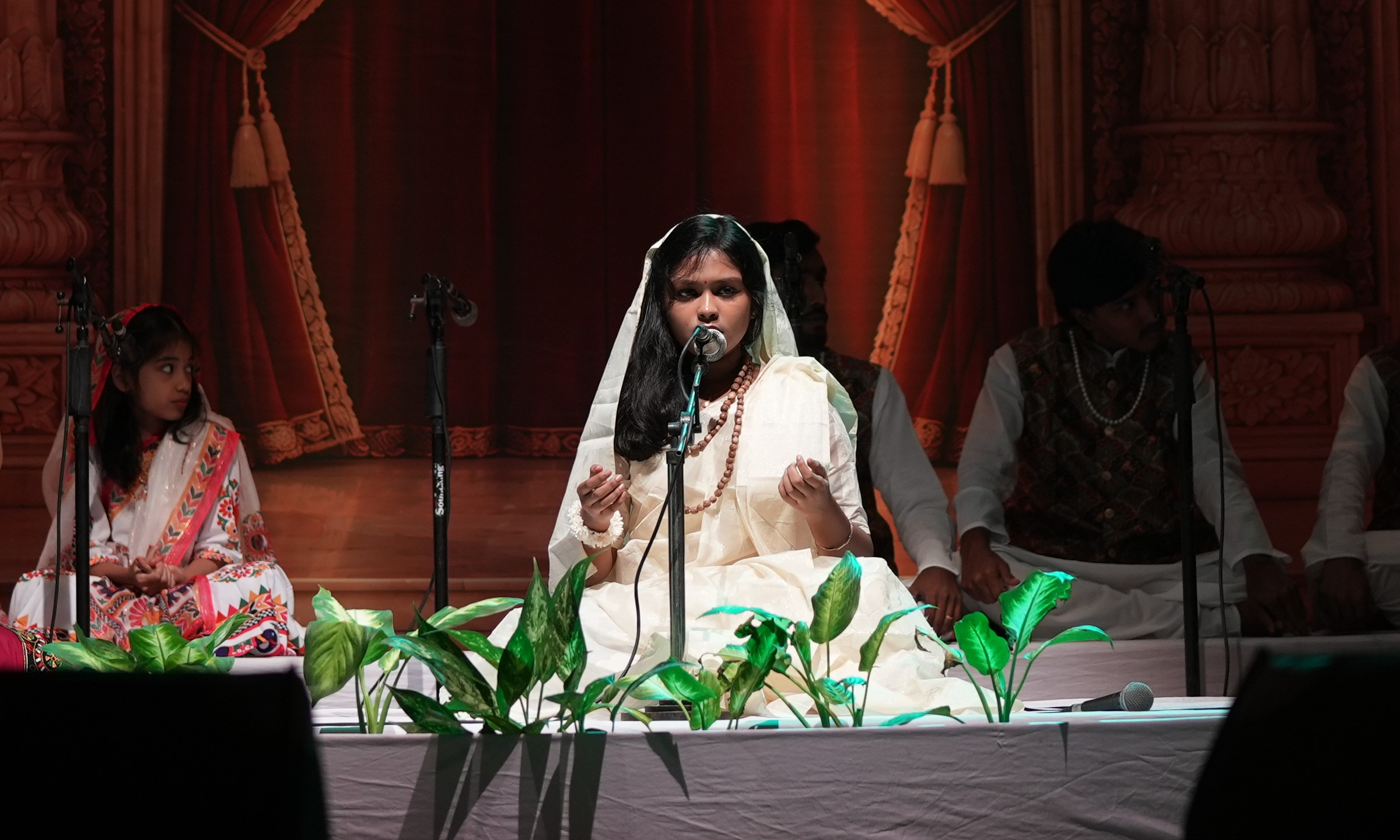
The integration of character-based acting with live music moved the programme away from the format of a conventional classical concert. Instead, the performers and musicians became part of a larger stage narrative in which musical traditions were presented as elements of a shared dramatic experience.
This approach offered a potential alternative to presenting classical music exclusively through extended concert performances. By combining sound, character and narrative, the production sought to make the histories and expressive qualities of different musical forms more accessible through a visual and theatrical context.
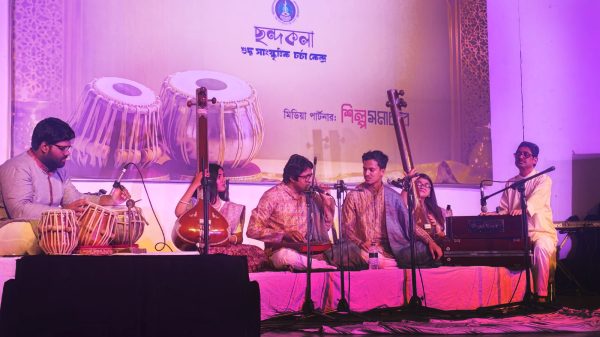
The instrumental ensemble played a central role in maintaining the production’s musical continuity. Gautam Kumar Sarker and Prashanta Kumar Das performed on tabla, while Zahid played the accompanying percussion instrument listed in the programme as saj, and Nupur played violin.
Saiful Taankar and Rathin Tikader accompanied the performances on harmonium. Protima Natta and Imran Sarkar provided tanpura support, while Farhad Hossain was responsible for keyboard and background music.
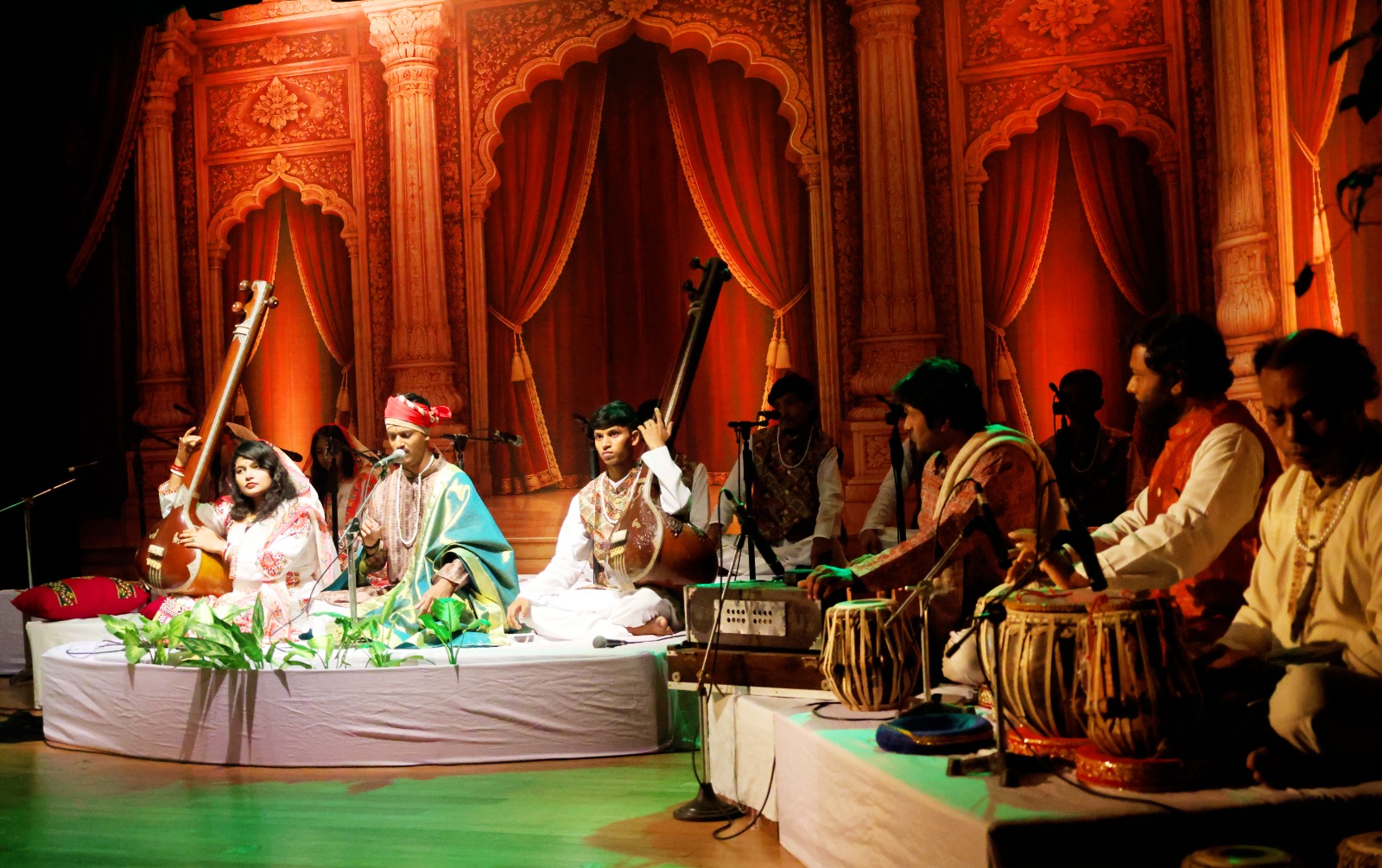
The combination of vocal performance, instrumental accompaniment, background scoring and dramatic action formed the musical foundation of the production, allowing the different segments to operate within a unified stage presentation.
Classical music is often experienced through specialized concert formats in which the focus rests on raga development, rhythm, improvisation and the individual artist’s musical interpretation. Sur Sammilan approached the tradition from a different direction, bringing multiple musical forms into a theatrical structure.
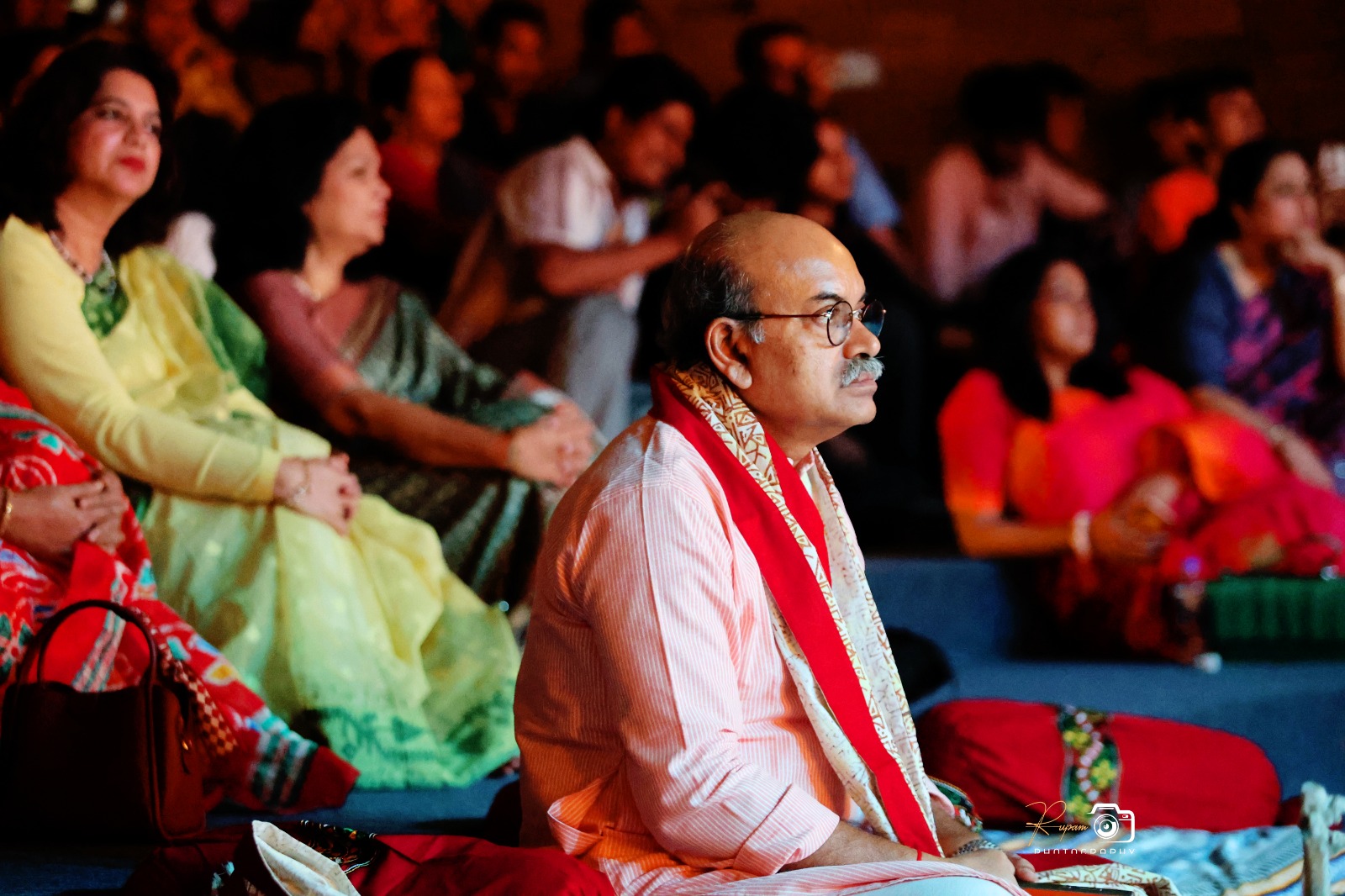
Its significance lies in the attempt to create a dialogue among traditions without reducing them to a single musical vocabulary. Dhrupad, Khayal, Tarana, Carnatic music, Persian and Chinese classical music, Thumri, Bhajan and Western opera each brought a different history and expressive character to the stage.
For Hangsadhwani, the production represented an effort to connect traditional musical practice with contemporary modes of cultural presentation. Under Taankar’s conception and direction, and Majumdar’s theatrical direction, the production explored how performance, narrative and visual storytelling might broaden the ways audiences encounter classical music.
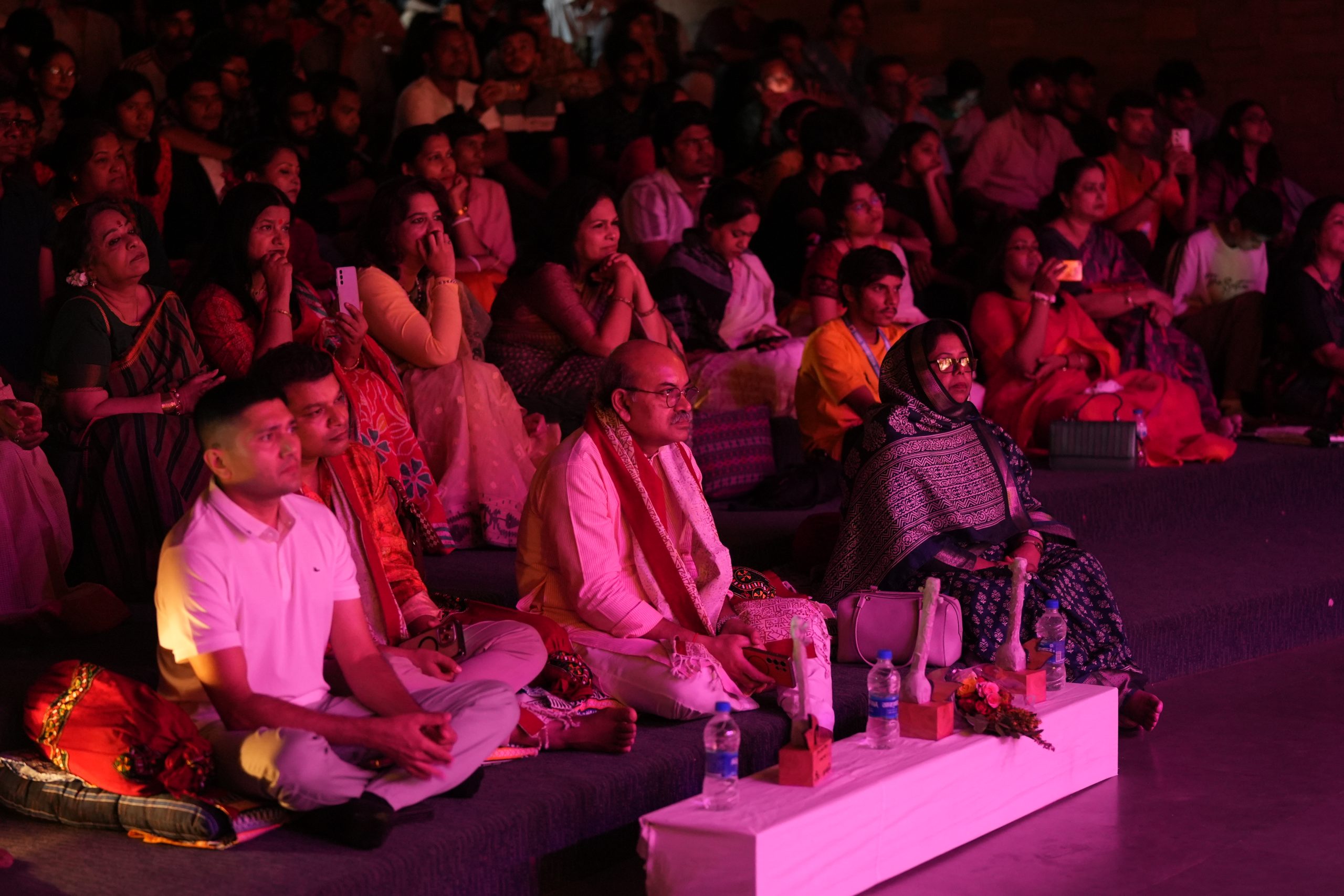
Although the traditions represented in the programme differ considerably in their musical systems and historical development, their shared presence created a platform for cultural encounter. The result was an exploration of classical music not simply as a collection of established forms, but as a diverse and evolving field of artistic expression.
With Sur Sammilan, Hangsadhwani brought that exploration to the stage in Dhaka, opening a conversation about the possibilities of presenting musical heritage through a more integrated theatrical experience.